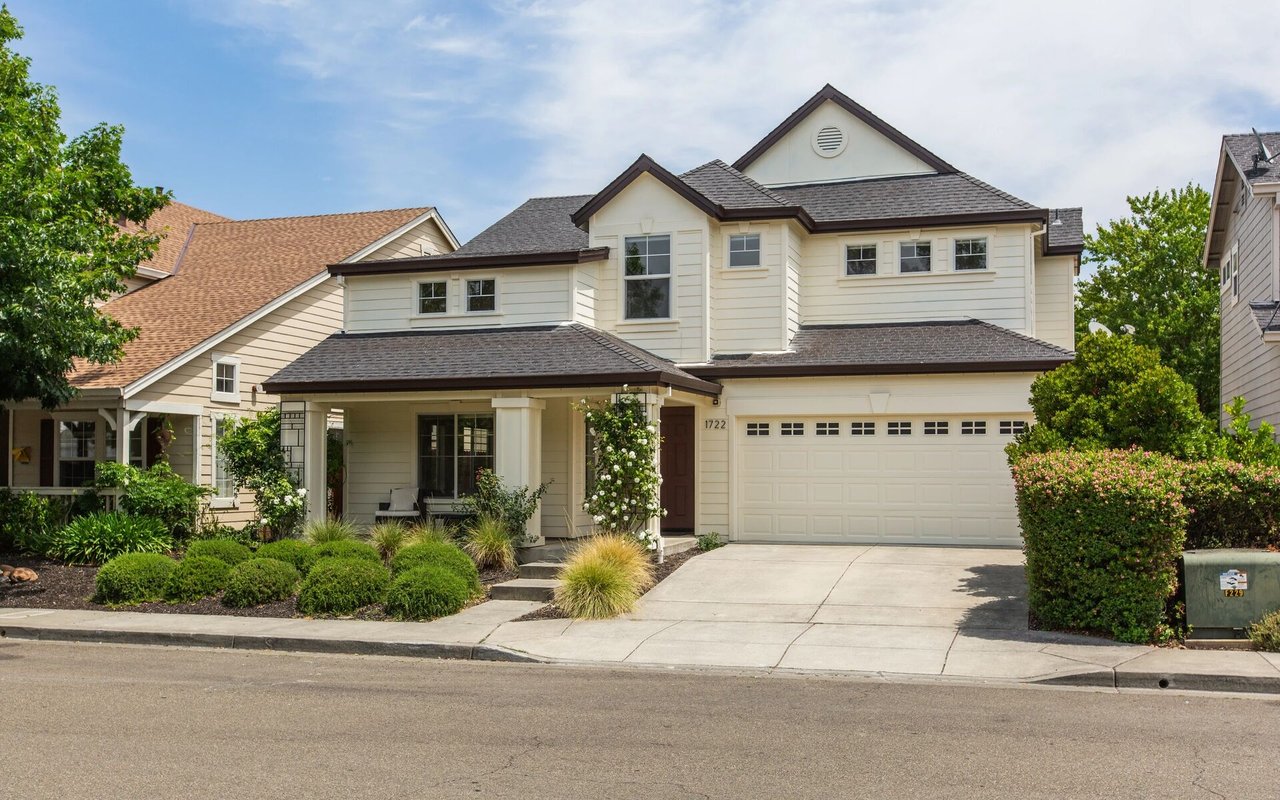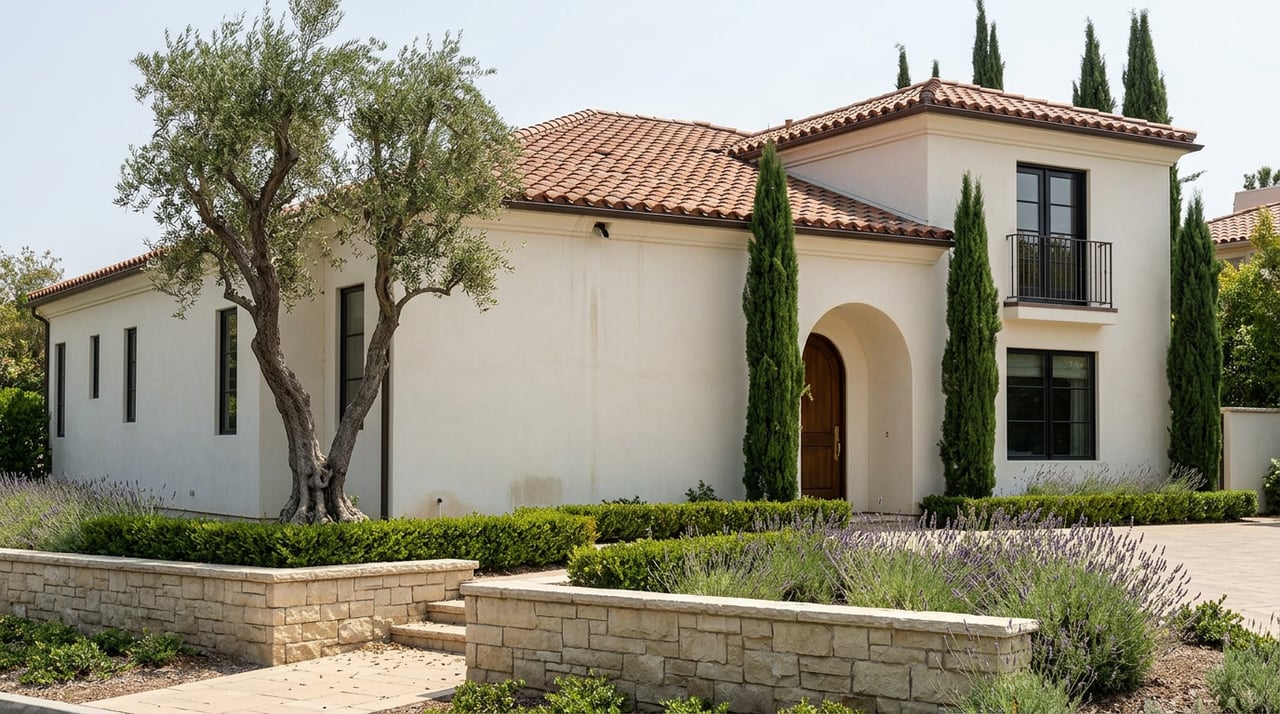
A buyer working two listings side by side rarely expects the math to change once the loan officer gets involved. One home sits in Yorba Linda, close to the city's recent median of $1.4 million over the three months ending in May 2026. The other is a newer build in a master-planned Orange County community, priced within a few thousand dollars of the first. Same budget, same rate, same lender. Then two pre-approval letters come back and they are not the same number.
The gap usually traces to a line item that never appears in a listing description or a median-price headline: a Mello-Roos special tax, tied to a Community Facilities District. It shows up on the property tax bill, and more importantly, it shows up in the debt-to-income math a lender runs before deciding how much house someone can actually carry. A buyer comparing two cities by sticker price alone is missing the part of the comparison that determines real buying power.
What a CFD Actually Does to Your Numbers
Community Facilities Districts trace back to the Mello-Roos Community Facilities Act of 1982, passed as a workaround after Proposition 13 capped the base property tax rate at 1% of assessed value and cut off the funding mechanism cities had used to build schools, roads, and other infrastructure for new development. A CFD lets a city, school district, or other agency issue bonds to pay for that infrastructure up front, then collect repayment from homeowners inside the district through a special tax layered on top of the standard 1%.
That tax typically isn't a percentage of home value. It's often a flat charge tied to square footage or parcel type, which means it doesn't rise or fall with the market and it isn't limited by Prop 13's caps. It also doesn't disappear when you sell. It runs with the bond, usually for 20 to 40 years, until the debt is retired.
The part that matters most at the point of purchase: current underwriting guidance treats a Mello-Roos charge the same way it treats an HOA due, as a recurring obligation counted against a buyer's debt-to-income ratio. Two homes at an identical price can produce two different loan amounts at pre-approval, because one of them is quietly eating into the room a lender is willing to extend.
Yorba Linda's One Exception, and the Mix-up That Follows It
Yorba Linda has exactly one Mello-Roos district in the entire city. It sits on the north and south sides of Bastanchury Road, west of Fairmont Boulevard, covering a tract of 293 Pulte homes. The district backs a $5.5 million bond issued to fund school facilities for the Placentia-Yorba Linda Unified School District, and the tax is calculated at $3.50 per square foot across roughly 1.24 million square feet of development. Depending on home size, owners in that specific tract pay somewhere between $1,603 and $2,613 a year.
That's it for the city. Everywhere else in Yorba Linda, "No Mello-Roos" isn't a marketing phrase stretching the truth, it's an accurate description of the tax bill.
You'll still see some property tax guides list East Lake Village or Kerrigan Ranch as CFD territory. That's worth correcting before it shapes a decision: the confirmed district ties specifically to the Bastanchury Road Pulte tract, not to either of those planned communities. If you're shopping in East Lake Village or Kerrigan Ranch and see a CFD figure quoted for "Yorba Linda" in general, don't assume it applies to the parcel you're looking at. Pull the number for that specific address.
What the Same Money Buys Elsewhere in the County
Zoom out to the rest of Orange County and the picture flips. Roughly 88 Mello-Roos districts operate across the county, concentrated in master-planned communities built since the mid-1980s: Ladera Ranch, Talega, the Great Park district and other newer Irvine neighborhoods, Tustin Legacy, Portola Springs, and Rancho Mission Viejo among them. Typical charges in these districts run $400 to $700 a month, and in some newer Irvine and Mission Viejo neighborhoods, annual charges exceed $8,000, or roughly $667 a month.
Bond terms in Orange County generally run 25 to 40 years from the date the bonds were issued, and that payoff date is fixed. It doesn't reset when a new owner buys in. A tract financed in 2003 with a 30-year bond retires that debt in 2033 regardless of when someone purchases the home, while a district formed more recently could carry another two or three decades of payments.
Why the Line Item Changes What You Qualify For, Not Just What You Pay
This is the part that gets missed when buyers compare cities by median price alone. Because a Mello-Roos charge counts against debt-to-income the same way a car payment or an HOA due does, a $500-a-month CFD charge on one listing can shrink the mortgage a lender is willing to approve on that property, even when the purchase price matches a Yorba Linda home dollar for dollar.
Run it forward: a $500 monthly special tax carried over a 30-year bond term totals $180,000 paid toward infrastructure debt that builds no equity in the home itself. That's money a Yorba Linda buyer, comparing a similarly priced home with little to no CFD exposure, simply isn't asked to spend. The median price two buyers are staring at might look close. The actual room left in their budget for a mortgage payment, and the total they'll have paid out by the time the bond retires, can be very different.
None of this means CFD-financed communities are a poor choice. Ladera Ranch's parks and Great Park's amenities exist because of that financing structure. It means the comparison needs a second number beyond the one a portal search engine surfaces.
Before You Compare Two Listings, Check the Parcel
Orange County maintains a Mello-Roos lookup tool that lets a buyer search a specific address for active CFD charges before writing an offer. California law requires sellers to disclose Mello-Roos obligations before closing, but the smarter move is checking earlier, while you're still comparing homes, not after you've opened escrow on one of them.
Pull the county's Tax Rate Book for the parcel. Ask the listing agent directly whether a CFD applies and, if so, the current annual amount and years remaining on the bond. If you're financing, ask your lender to run the actual number against your file rather than an estimate, before you decide whether a price gap between two Orange County cities is real or just a starting point. A buyer's guide can walk through what to request at each stage, and getting a pre-approval that already accounts for a target property's CFD status avoids a surprise later in underwriting.
Frequently Asked Questions
Does "No Mello-Roos" mean Yorba Linda has zero extra property tax charges? No. Most parcels still carry small fixed assessments for things like landscape maintenance or lighting zones. These are modest fixed fees, not bond-backed special taxes, and they don't come close to the monthly cost of a CFD elsewhere in the county.
If I own in the Bastanchury Road district, can I pay off the Mello-Roos early? Some Community Facilities Districts allow a lump-sum prepayment to retire the obligation ahead of schedule, but terms vary by district and bond structure. Confirm directly with the Placentia-Yorba Linda Unified School District's bond administrator or Orange County before assuming that option applies to your parcel.
A price comparison across Orange County only tells half the story until someone runs the tax line and the loan math behind it. Adrian Langley works both sides of that equation, the property and the financing that goes with it, for buyers weighing Yorba Linda against newer construction elsewhere in the county. Schedule a consultation before you compare the next two listings.